

Ragù
The origin of Ragù comes from a meat dish in Renaissance French cuisine, called "ragout", which is a stew of vegetables, meat or fish cooked over low heat for a long time. During the period of 1692 and 1773, there was no trace of Italian cook books in Italy. However, in 1773, in Vincenzo Corrado's book called "Il Cuoco Galante", there was a dish that can be regarded as the first Ragù with no defined ingredients and the presence of tomatoes yet (1).
Therefore, ragù in Italy is a general term referring to a kind of meat sauce or stew that is cooked for many hours over long heat. Ragù’s recipes can be different from region to region. Ragù alla Bolognese, which means “ragù from the town of Bologna”, is one of the most famous variations of ragù in Italy, which will be analyzed in this cookbook.
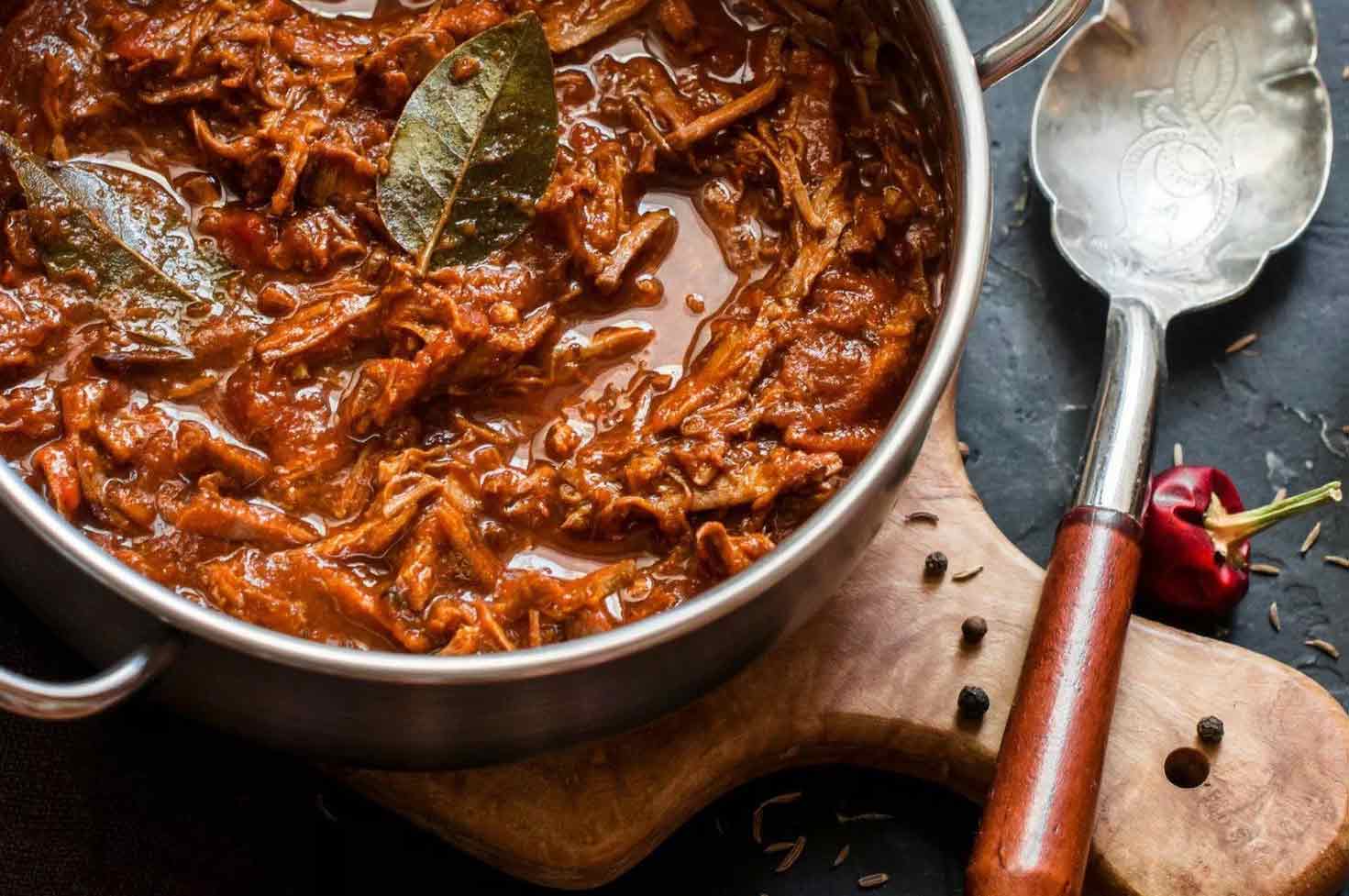
Ragù with Tomatoes
In 1781, Corrado claimed in his book on cooking vegetables that tomatoes were not only delicious but also good for our health as tomato's acidity can help people digest more easily during summer when one's stomach tends to be loosened and nauseous. This claim by Corrado did indeed mark the moment that tomatoes started becoming a part of the Italian diet.
9 years later, in a book by Francesco Leonardi called "The modern Apicius", the recipe of ragù in "Maccheorni alla Napolitana" for the first time includes tomatoes (2), but at this time ragù was not eaten with any kinds of pasta yet.
Before Tomatoes became an icon of Italian cuisine, it had been through 3 phases: observation, naturalism and assimilation. In the 1st phase, during the 16th century when Europeans discovered the New World, tomatoes arrived in Europe with other food stuff from the New World such as chilies, potatoes and maize. Later, it was named pomi d'oro which means "golden fruits' '. During the 1st phase, tomato was served as a condiment to other food, playing a role of counteracting the main dish's characteristics or correcting its flavor rather than being a main food itself. Furthermore, during this time, tomatoes could not replace any other food stuff in the Italian diet because the sweet variety of tomato hadn't existed yet and it also could not replace sour grapes in terms of providing sourness to the dish. In the 2nd phase, there was not much change in the tomato per se put people's attitude towards tomato changed as they realized that tomato can be a flavorful condiment without using spices. Tomato's nutritional value was also recognized but not as important as its flavor. During the 3rd phase, as most vegetables became rare, tomatoes were among the food that could sustain during summer and nourish southern peasants. The Neapolitan started making tomatoes into paste and ate it with pizza and macaroni, initiating a new era of the world's favorite pair: pasta and tomatoes (3).
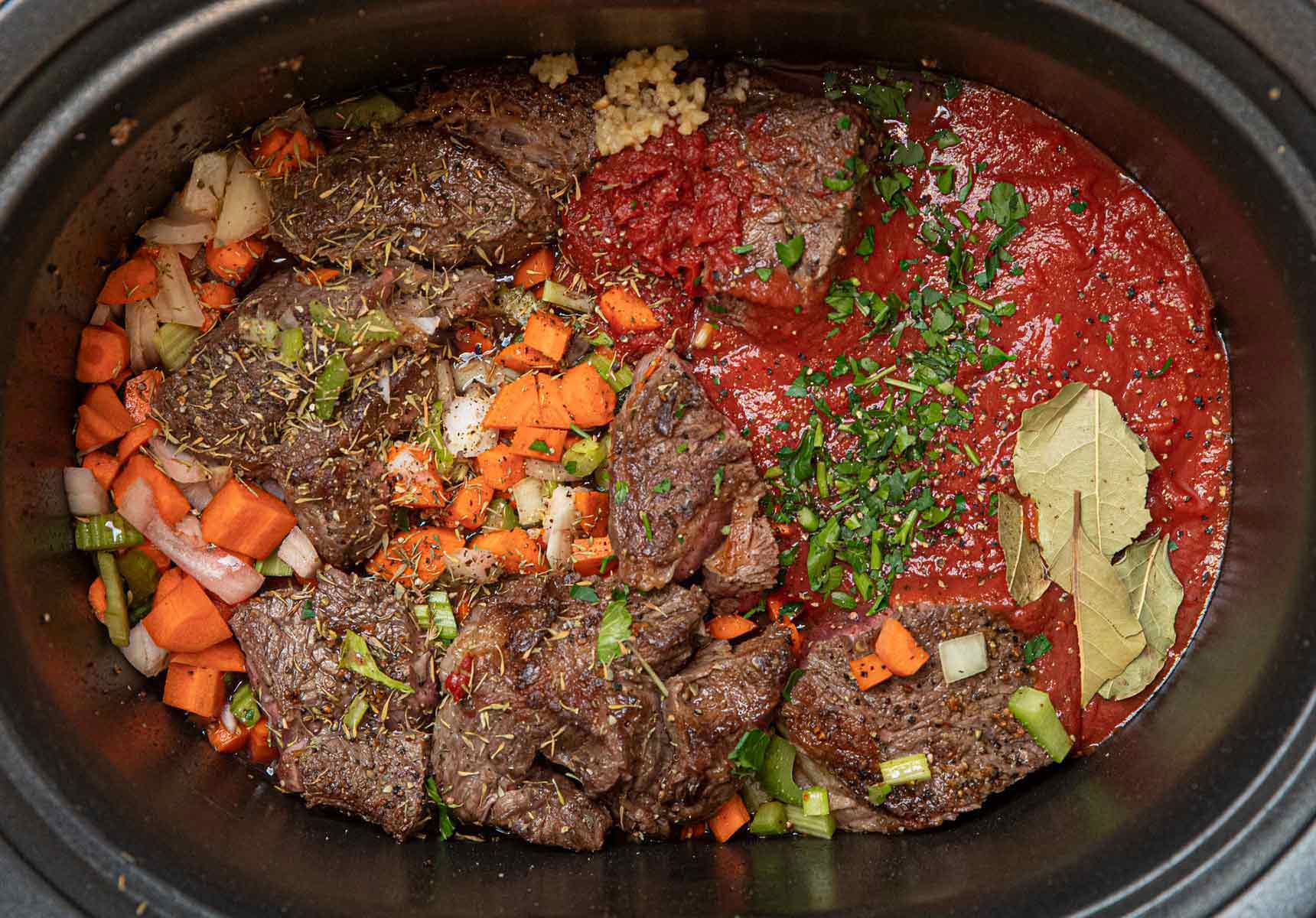
"Spaghetti Bolognese does not really exist in Italy generally and Bologna specifically. If it does, it is probably served in a restaurant for tourists, not for locals."
Ragù with Tomatoes and Pasta
The beginning of the 19th century witnessed the consumption of tomatoes throughout Italy. As tomatoes became more popular, people started consuming it with pasta. Before being combined with tomatoes, pasta was eaten dried by using fingers. However, when mixing with tomato sauce, it became a dish that required eaters to use a fork, thereby somewhat changing how Italians eat pasta(4). The first recipe of pasta with tomatoes, called 'vermicelli co le pomodoro’ was recorded by Ippolito Cavalcanti, Duke of Buonvicino in 1839. Around 1863, in Naples, pasta became a staple food, eaten with tomatoes and was regarded as food for the middle class.
In the late 18th century, the recipe of "Ragù per li maccheroni appasiciati" in Alberto Alvisi's cookbook was actually the first recipe of pasta with meat sauce, although tomatoes were not added yet at this time. In 1891, in the classic cookbook "La scienza in cucina e l'arte di mangiar bene" (Science in the Kitchen and the Art of Eating Well) by Pellegrino Artusi's, although the recipe for ragù still hadn't included tomatoes, it was the first time the term "ragù Bolognese” was used.
On October 17, 1982, Accademia Italiana della Cucina (Italian Academy of Cuisine) finally submitted to the Bologna Chamber of Commerce the official recipe for the classic Ragù alla Bolognese (5).
Tagliatelle al Ragù
Ragù can be eaten with a variety of pasta and polenta depending on individual preference. For instance, ragù is often put in lasagna. However, in Bologna, ragù alla Bolognese is typically paired with tagliatelle, tortellini or gnocchi. Thick pastas are recommended for this recipe because it can hold more chunky sauce. Spaghetti Bolognese does not really exist in Italy generally and Bologna specifically. If it does, it is probably served in a restaurant for tourists, not for locals.

References
- Author: Walter Manni Explorer and Adventurer: loves sailing the oceans. “Ragù Bolognese: History, Curiosity and Original Recipe.” Travel Emilia Romagna, March 17, 2020. https://blog.travelemiliaromagna.com/ragu-bolognese-history-original-recipe.
- Ibid
- Gentilcore, David. “Taste and the Tomato in Italy: a Transatlantic History.” Food and History 7, no. 1 (2009): 125–39. https://doi.org/10.1484/j.food.1.100639.
- Food Editor. “The History of Pasta.” In Mama's Kitchen. Accessed June 20, 2021. https://inmamaskitchen.com/history-of-food/the-history-of-pasta/.
- February 28, 2008. “Classic Ragù Alla Bolognese.” Saveur, March 29, 2021. https://www.saveur.com/article/Recipes/Classic-Ragu-alla-Bolognese/.